
Root Canal Therapy – Massapequa Park, NY
Pain-Relieving Care For Tooth Infections
Do you have a severe toothache that won’t seem to go away? This is a common sign of an infection hidden below the surface of your tooth. Root canal therapy in Massapequa Park can treat the infection, preserve your natural tooth, and cure your discomfort all while being virtually painless. Although this treatment has a reputation that makes many patients scared of it, it’s not as daunting as you may think. If you have a severe toothache or other signs of an infection, don’t hesitate to call our office to schedule an emergency appointment for as soon as possible.
Signs of a Tooth Infection
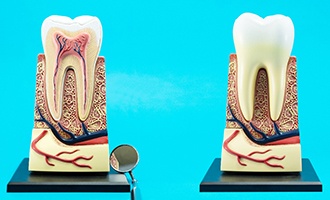
When a cavity goes untreated, it can provide harmful oral bacteria with a passage to the vulnerable inner chamber of your tooth. Within this structure, a cluster of nerves and soft tissue, called the pulp, is housed. When it becomes attacked by bacteria, it can result in a painful toothache that signals a tooth infection. Some other signs that could indicate that you need root canal therapy include:
- A pimple-like bump on the gums near your affected tooth.
- A foul taste or smell in your mouth.
- Swelling or redness around the affected tooth.
- Sensitivity to hot or cold temperatures.
- Pain and pressure when you bite down.
What Is Root Canal Therapy?

Root canal therapy is a straight-forward procedure that helps you keep your natural tooth while also preventing the infection from spreading and causing additional damage to your smile. The goal is to remove the infected pulp that’s causing you pain, sanitize the inside of your tooth, and rebuild the structure of your tooth so you can use it as you normally would.
The Process of Getting A Root Canal
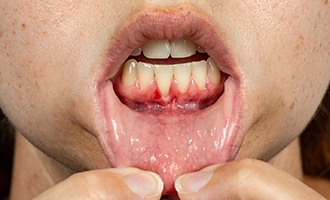
The first step we’ll take when you sit down in our treatment chair is administer a local anesthetic to numb the area around the affected tooth. We also offer sedation dentistry if you’re anxious or scared when you arrive to our office. This will help you feel relaxed and ensure that you don’t feel a thing during your treatment.
We’ll gain access to the inner chamber of your tooth to remove the pulp. Once we’ve sanitized the area to eliminate harmful oral bacteria, we’ll fill it with a substance called gutta percha to rebuild the shape and size of it. Finally, to protect and restore the strength of your tooth, we’ll place a custom-crafted crown over the top of it. Once the process is completed, you’ll be able to use your tooth like you normally would without having to worry about pain or discomfort.
Understanding the Cost of Root Canals

Root canal treatment is one of the most effective ways to save a tooth, and, in most cases, one of the most cost-effective, too! That said, we know that cost is often the first thing on a patient's mind, especially in an emergency. In fact, oftentimes when we see a patient with tooth pain, they’re more worried about the bill than their discomfort! Here's what you should know about the cost of root canal treatment at South Shore Dental Care, and how our emergency dentist in Massapequa Park can help make your care more affordable.
Factors That Can Affect Root Canal Cost
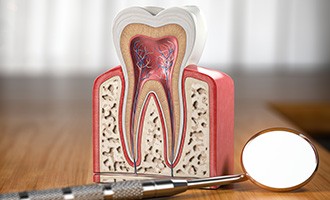
No two root canals are the same. Because there are so many factors needing consideration, pricing varies from case to case. A few of the most common variables include:
- Location of the Tooth: Molars have more roots than front teeth, which makes them more complex and typically more expensive to treat.
- Severity of Infection: A more advanced infection may require additional appointments or preparatory treatment before the root canal can be completed.
- Need for a Crown: Most teeth treated with root canals need a crown afterward to restore their strength, which adds to the total cost.
- Retreatment: The cost of root canal retreatment (when a previously treated tooth becomes reinfected) is often higher because it's more complex than the original treatment.
Our team will provide a clear cost estimate before any treatment begins so there are no surprises.
Is it Cheaper to Extract My Tooth?

Upfront, yes, a tooth extraction is almost always less expensive than a root canal. However, the long-term cost of an extraction is generally much higher. Once a tooth is removed, the gap it leaves behind needs to be addressed. Left untreated, it can cause several other issues like shifting teeth, jawbone deterioration, and difficulty chewing.
Replacing a missing tooth with a bridge or implant often costs far more than saving it would have in the first place. When tooth loss is avoidable, we almost always recommend a root canal because it’s the most cost-effective decision in the long run.
Does Dental Insurance Cover Root Canals?

In most cases, yes. Root canal treatment is typically classified as a major restorative service, meaning many dental insurance plans will cover a percentage of the cost. This usually translates to around 50% after your deductible. However, coverage varies by plan and may be affected by your annual maximum. If you’re unsure where you stand, our team at South Shore Dental Care is happy to help verify your benefits and file claims on your behalf.
Other Options for Making Root Canal Treatment Affordable

If insurance doesn't cover your treatment, or if you don't have coverage at all, our team offers several ways to make your costs more manageable. We partner with CareCredit, Springstone, and Cherry—three fantastic financing platforms that offer flexible payment plans with low or no interest. These allow you to divide the balance of your care into smaller monthly payments.
If you're uninsured, our In-House Membership Plan is worth exploring. For one low annual fee, you’ll receive complete preventive exams and cleanings, plus discounted rates on all other treatments—including restorative treatments like root canals.
To learn more about your payment options, visit our new patients page or give our Massapequa Park team a call. We'll help you find a path forward that works for your budget.